Moroccan cuisine is more than recipes—it’s history, culture, community, and technique passed down through generations. A Morocco Food Adventure reveals how families cook, how flavors are layered, and how every region adds its own character. From medina kitchens to desert camps, food is a universal welcome and a true expression of Moroccan identity.
This guide explores Morocco’s culinary heart through spices, slow-cooked dishes, family rituals, street food, mountain traditions, and nomadic methods that survived for centuries.
🧂 1. The Spice Trail – Morocco Food DNA
Moroccan cooking relies on aromatic blends that give everyday ingredients depth and warmth. Spices are not used for heat but for fragrance and balance.
Essential Flavors:
- Ras el Hanout – a signature mix that can include 20–40 spices
- Cumin – Morocco’s universal table spice
- Turmeric, ginger, paprika, saffron – foundational aromatics
- Harissa – smoky chili paste used with grilled dishes
- Preserved lemons – citrus intensity used in tagines
To really understand Moroccan flavor, visit an attarine, a traditional spice shop in Fes or Marrakesh, where blends are still prepared by hand.
🥘 2. Tagine Mastery – Slow-Cooked Perfection
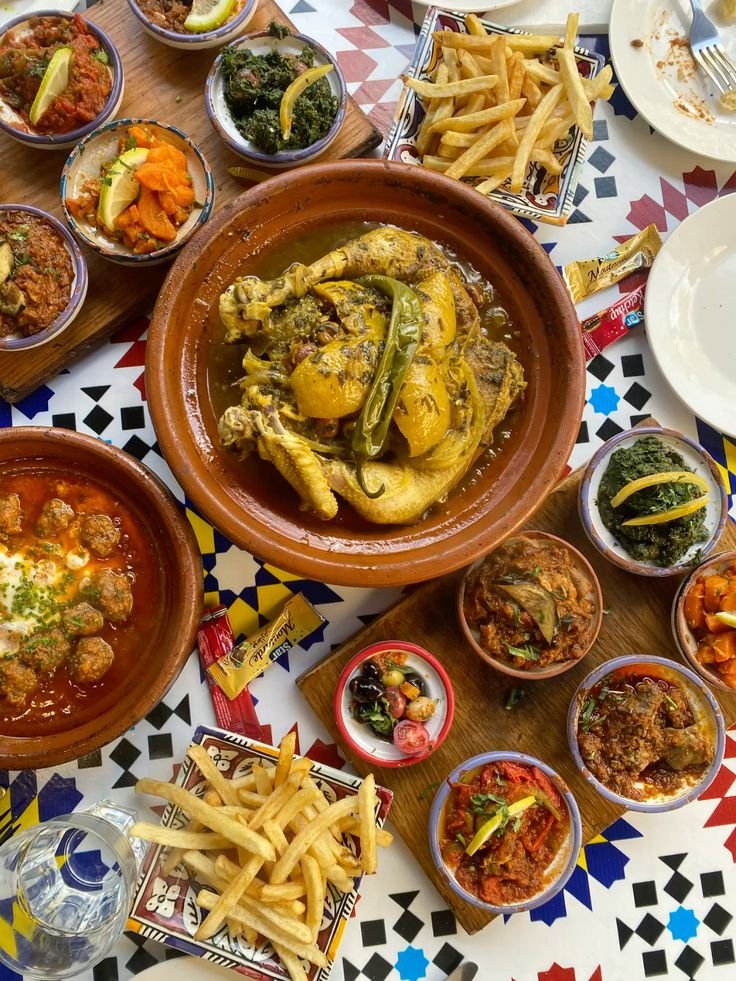
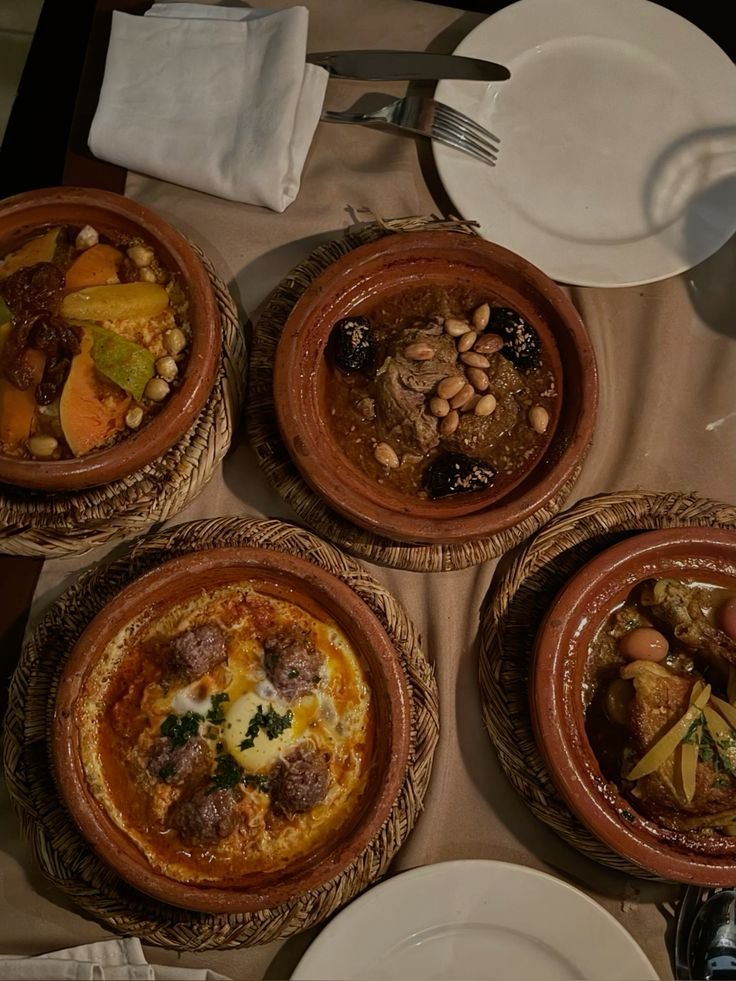
Tagine isn’t just a dish; it’s a method. Low heat, steam circulation, and patience create deep, tender flavors.
Regional Favorites:
- Lamb with prunes & almonds – iconic in Fes
- Chicken with preserved lemon & olives – Moroccan classic
- Berber vegetable tagine – simple mountain comfort
- Fish tagine with chermoula – specialty of Essaouira and Agadir
The most authentic experience is cooking with a local family or in a rural village where tagines simmer over charcoal.
🍲 3. Couscous Friday – A Cultural Ritual
Couscous is not an everyday meal—traditionally, it’s a Friday family gathering dish.
Popular variations include:
- Couscous tfaya – caramelized onions, raisins, spices
- Seven-vegetable couscous
- Couscous with lben (buttermilk) – common in Amazigh households
Family-run restaurants usually serve the most authentic versions, especially on Fridays.
🧆 4. Everyday Eats & Street Food
Morocco’s street food is diverse, simple, and deeply rooted in local routines.
Must-try favorites:
- Msemen – layered griddle bread
- Bissara – warm fava bean soup finished with olive oil
- Sardine sandwiches – coastal classic
- Maakouda – spiced potato fritters
- Brochettes – charcoal-grilled skewers
- Snails in spiced broth – Marrakesh medina specialty
- Sfenj – airy doughnuts served hot
Each city offers slight variations, reflecting regional tastes.
🧀 5. The Amazigh Mountains: Personality on a Plate
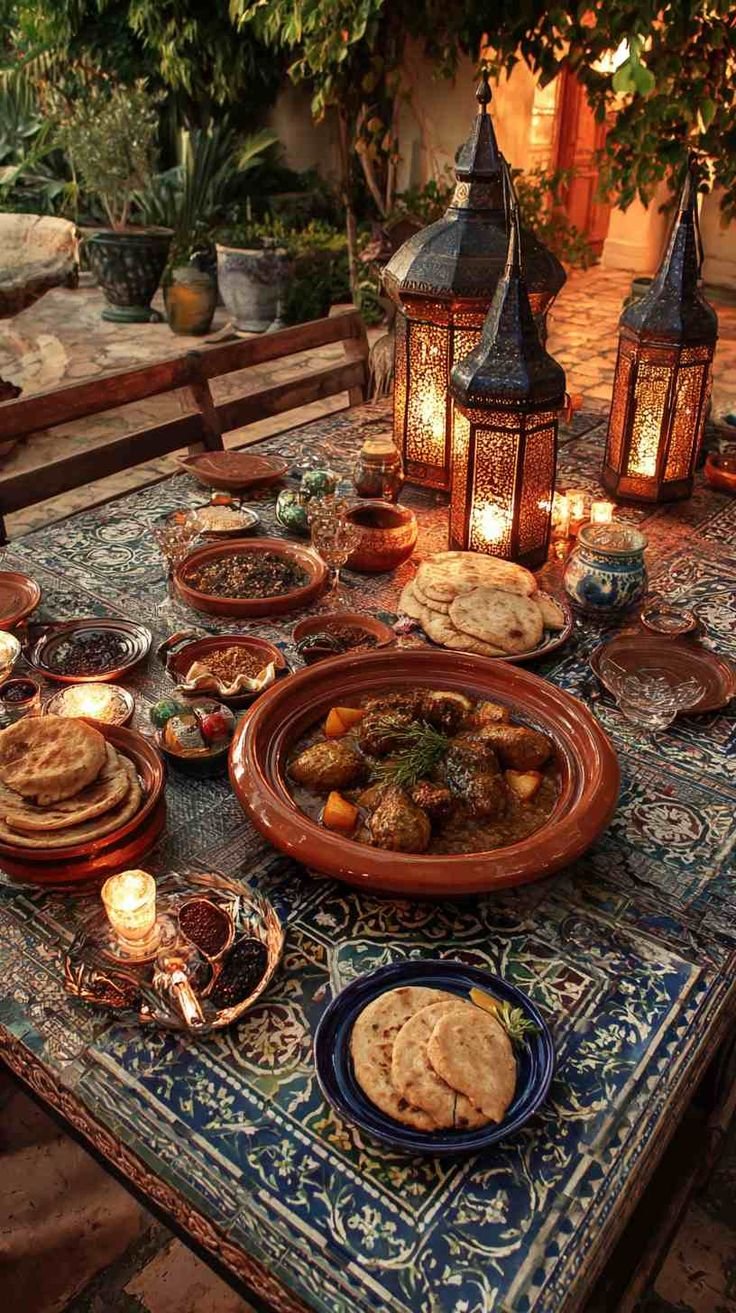
Food in the Atlas Mountains is rustic, pure, and based on what the land provides.
Typical mountain flavors:
- Amlou – argan oil, almonds, honey
- Barley bread baked in clay ovens
- Tagoula – warm Amazigh semolina dish
- Goat cheese from the Rif and Chefchaouen
- Mountain mint tea brewed strong
Experience this at a guesthouse in Imlil, Ait Bouguemez, or remote villages where meals are prepared from local produce.
🍰 6. Sweet Traditions – Confections of Patience
Moroccan desserts are often linked to celebrations and crafted with precision.
Traditional sweets include:
- Chebakia – sesame-honey flower fritters
- Gazelle horns – almond-filled crescents
- Sellou – toasted flour, nuts, honey, sesame
- Kaab el ghzal – delicate almond pastries
Pair with mint tea poured from height to create the signature foam.
🍵 7. Tea Culture – Hospitality in a Glass
Tea is Morocco’s social language. You’ll be offered tea everywhere—from homes to markets to desert tents.
Classic preparation:
- Chinese green tea
- Fresh mint
- Generous sugar
- High pour for aeration
Regional varieties include mountain mint tea in the Atlas and absinthe tea in the Sahara.
🐪 8. Desert Nomad Cooking
In the Sahara, food reflects simplicity, survival, and tradition.
Experiences worth seeking:
- Medfouna – Amazigh “desert pizza” baked in sand
- Fire-roasted lamb cooked under open sky
- Mint tea boiled in blackened kettles
- Dates from Tafilalt, among the best in Morocco
Nomadic cooking is one of Morocco’s oldest culinary traditions, shaped by environment and ingenuity.
📞 For More Information or Custom Culinary Tours
Phone: 00212666589322
Email: infomarrakechtosahara@gmail.com