The History of Morocco
The history of Morocco is one of the oldest and richest in North Africa, shaped by Amazigh (Berber) roots, Arab and Islamic influence, Mediterranean civilizations, and modern European involvement. Spanning thousands of years, it reflects a unique blend of cultures, traditions, and powerful dynasties that have shaped the kingdom into what it is today.
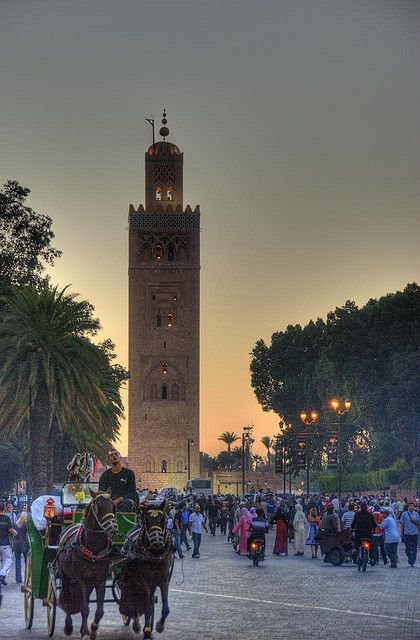
Prehistoric & Berber Origins
The earliest known inhabitants of Morocco were the Amazigh (Berber) people, who have lived in the region for more than 10,000 years. Over centuries, they developed organized communities, thriving kingdoms, distinctive architecture, and deep cultural traditions. Their language, craftsmanship, and identity continue to influence Moroccan culture in every region today.
Phoenicians, Carthaginians & Romans
Between the 12th century BCE and the 5th century CE, Morocco became a key crossroads for Mediterranean trade and cultural exchange.
- Phoenicians established early coastal trading posts.
- Carthaginians expanded maritime commerce.
- Romans took control and built major cities, including Volubilis, a remarkable imperial outpost whose ruins are now a UNESCO World Heritage Site.
These civilizations introduced new technologies, trade networks, and urban models that shaped Morocco’s early development.
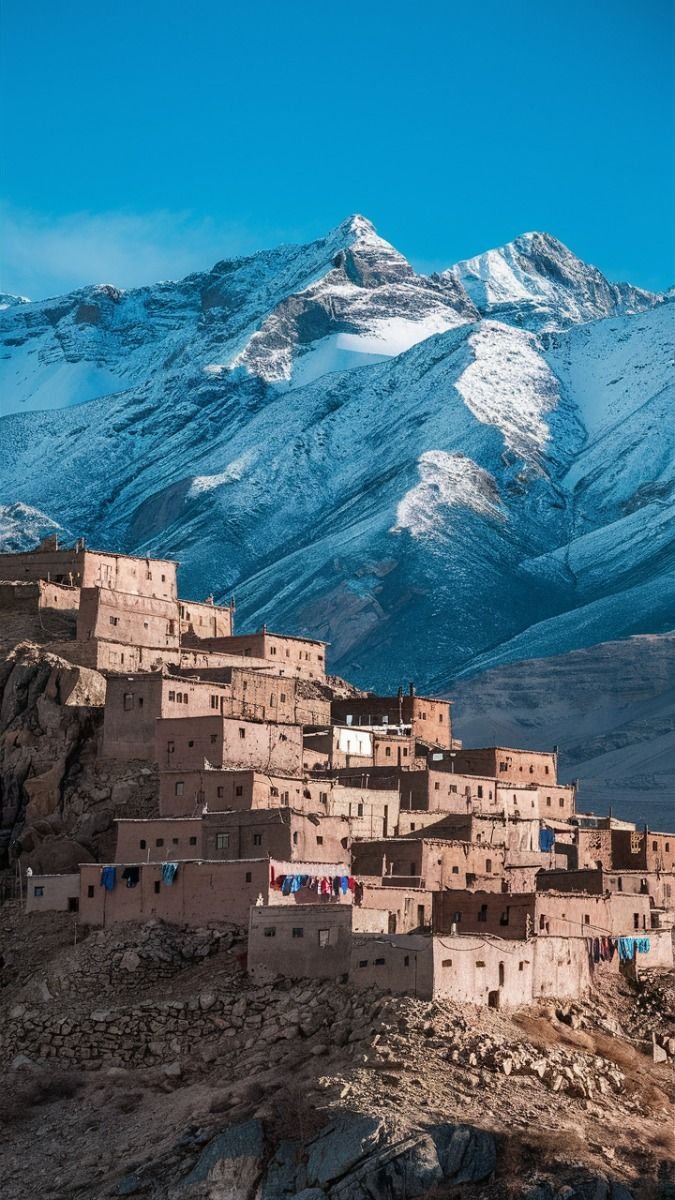
Arrival of Islam (7th–8th Century)
Islam entered Morocco through Arab armies and traveling missionaries. The Amazigh populations quickly embraced the new faith, which became the foundation of Morocco’s religious and cultural identity.
This period marked the beginning of a long Islamic era, leading to the rise of influential dynasties and the establishment of Morocco as a unified state rooted in Islamic scholarship, governance, and art.
Moroccan Dynasties & Empires
Morocco’s political and cultural evolution was shaped by several powerful dynasties, each contributing to architecture, learning, trade, and territorial expansion.
Idrisid Dynasty (788–974)
Founded by Idris I, this dynasty established the first Moroccan state and founded Fes, which later became a major spiritual and cultural center.
Almoravids (1040–1147)
A Berber empire that expanded into Spain and founded Marrakech, strengthening Morocco’s regional power.
Almohads (1121–1269)
Known for ambitious architectural projects and unifying vast regions of North Africa and Andalusia.
Marinids (1244–1465)
Supported education and built beautiful madrasas, particularly in Fes.
Saadians (1549–1659)
Victorious against Portuguese invasions and creators of landmarks such as the Saadian Tombs in Marrakech.
Alaouite Dynasty (1666–present)
The current ruling dynasty, recognized for maintaining stability and guiding Morocco through modern transformations.
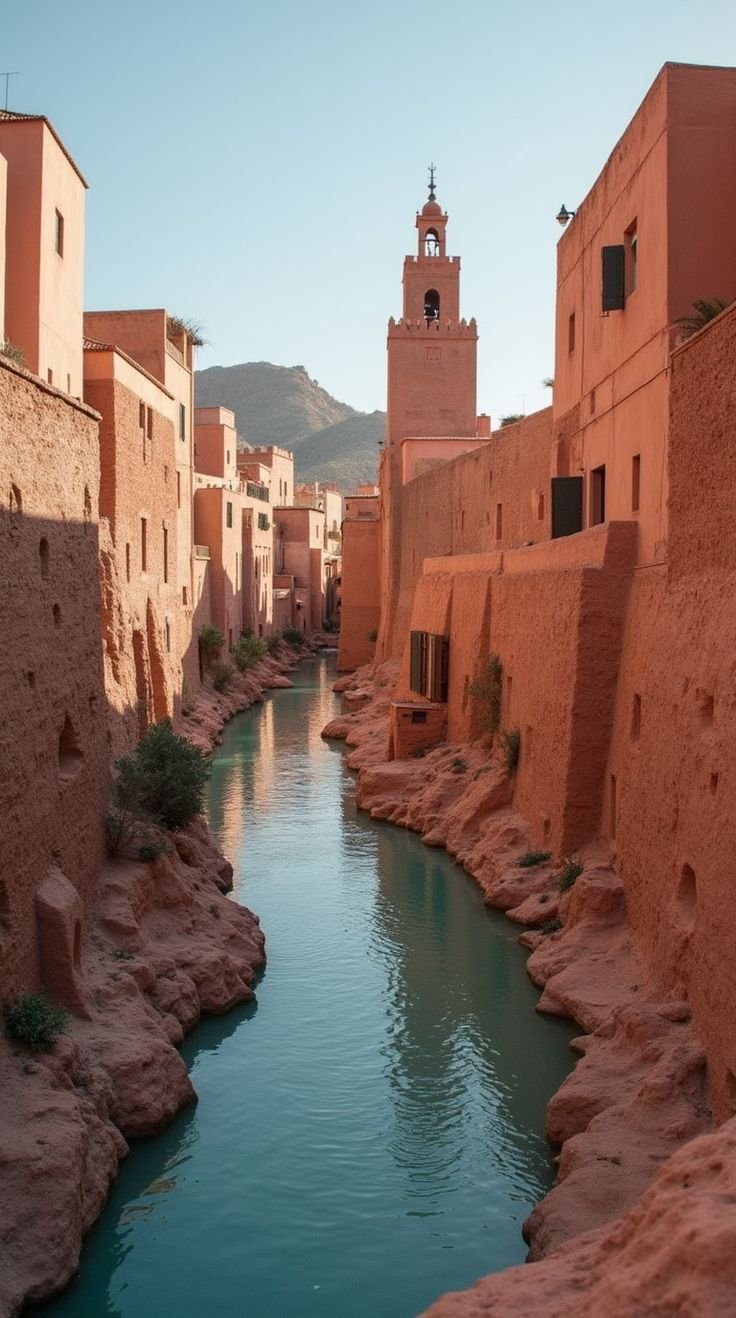
European Influence & the French Protectorate
By the 19th and early 20th centuries, European powers increased their presence in North Africa. In 1912, Morocco became a French Protectorate, while Spain controlled parts of the northern territory.
This era introduced modern infrastructure, administration, and urban planning but also sparked strong nationalist movements across the country.
Independence & Modern Morocco
Morocco gained independence in 1956 under the leadership of King Mohammed V, marking a new chapter in its long history.
Today, the country is a stable kingdom under King Mohammed VI, known for modernization, economic development, social reforms, and the preservation of Morocco’s diverse cultural heritage.
A Land of Living History
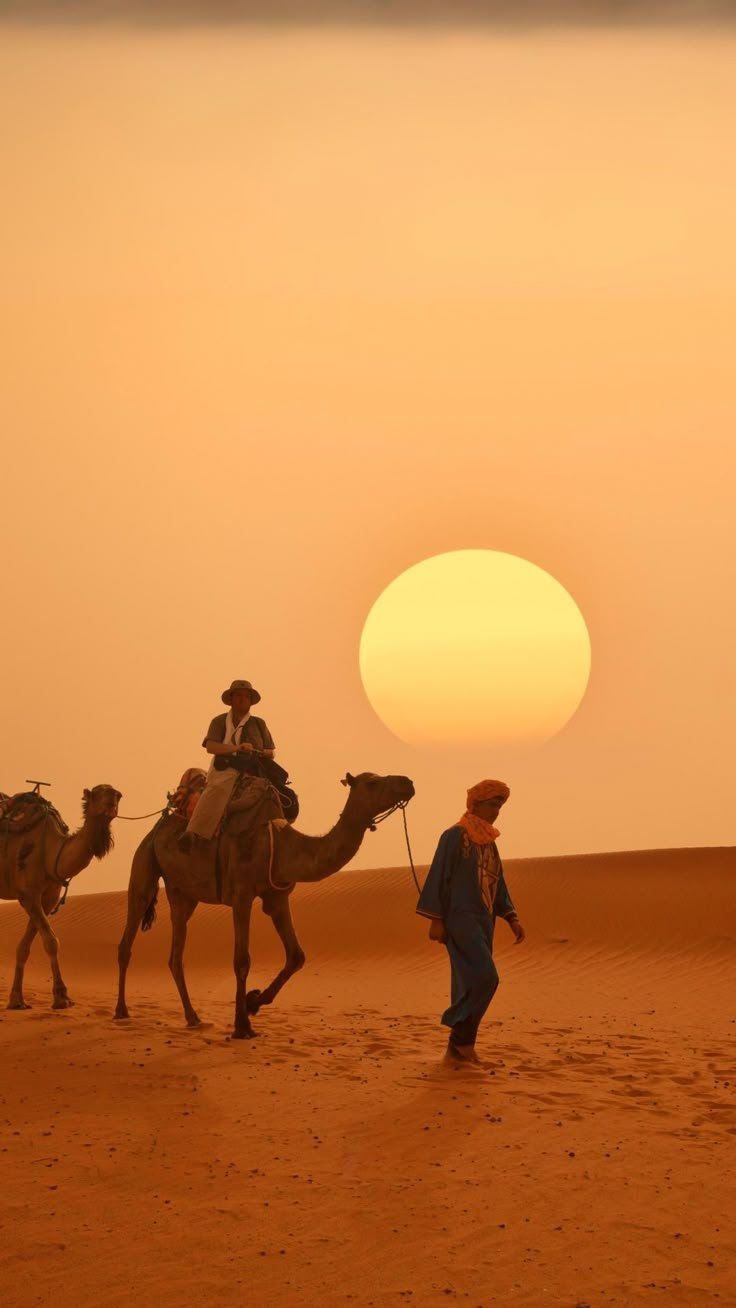
From prehistoric Amazigh roots to Islamic dynasties, Andalusian influences, and modern transformations, Morocco remains a land where past and present blend harmoniously. Its medinas, kasbahs, mosques, Roman ruins, and sweeping desert landscapes are living chapters of a history that spans millennia.
FAQs
1. Who were the first inhabitants of Morocco?
The earliest inhabitants were the Amazigh (Berber) people, who have lived in the region for more than 10,000 years.
2. How did Islam arrive in Morocco?
Islam reached Morocco in the 7th–8th centuries through Arab armies and missionaries, quickly becoming a core part of Moroccan identity.
3. What was the role of the French Protectorate?
Established in 1912, it introduced modern infrastructure but also intensified Moroccan resistance, ultimately leading to independence.
4. What is the current ruling dynasty of Morocco?
The Alaouite Dynasty, ruling since 1666 and still leading the kingdom today.
Contact Information
📞 Phone: 00212666589322
📧 Email: infomarrakechtosahara@gmail.com