
Embark on an adventure of a lifetime with Toubkal trekking, where you’ll conquer Morocco’s highest peak and experience the thrill of standing at the top of North Africa’s tallest mountain.
The journey offers breathtaking views, challenging trails, and an opportunity to immerse yourself in the local Berber culture. Whether you’re an experienced hiker or a beginner, Morocco hiking trails have something to offer everyone.
Key Takeaways
- Conquer Morocco’s highest peak, Toubkal.
- Experience breathtaking views and challenging trails.
- Immerse yourself in the local Berber culture.
- Suitable for both experienced hikers and beginners.
- An adventure of a lifetime in North Africa’s tallest mountain.
Mount Toubkal: North Africa’s Highest Summit
Mount Toubkal, the highest peak in North Africa, stands majestically in the High Atlas Mountains. At 4,167 meters, it is a significant landmark and a trekker’s paradise. The mountain offers a unique blend of natural beauty and cultural richness.
Geographic Location and Significance
Located in the High Atlas Mountains, Mount Toubkal is a prominent feature of the Moroccan landscape. Its geographic significance extends beyond its height, as it influences the local climate and ecosystem. The mountain is a popular destination for trekkers and adventurers.
The region around Mount Toubkal is characterized by diverse landscapes, from valleys to rugged peaks. This diversity supports a wide range of flora and fauna, making it a fascinating area for nature lovers.
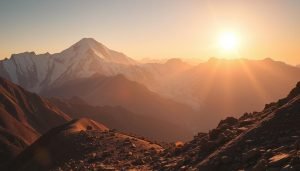
The Allure of the High Atlas Mountains
Majestic peaks, lush valleys, and vibrant traditions define the High Atlas Mountains — a region celebrated for its breathtaking natural beauty and deep cultural roots. Home to Berber communities who have preserved their ancestral way of life, this area offers an authentic glimpse into Morocco’s timeless spirit.. Visitors to the area can experience this unique culture firsthand.
| Feature | Description |
|---|---|
| Height | 4,167 meters |
| Location | High Atlas Mountains, Morocco |
| Cultural Significance | Home to Berber communities |
The Complete Guide to Toubkal Trekking
For adventure seekers, Toubkal trekking offers an unparalleled experience, combining the natural beauty of the Atlas Mountains with the thrill of conquering North Africa’s highest peak. The journey to the summit of Jebel Toubkal is a challenging yet rewarding adventure that attracts trekkers from around the globe.
What Makes Toubkal a Premier Trekking Destination
Toubkal trekking stands out as a premier destination due to its unique blend of natural beauty and cultural richness. The Atlas Mountains provide a dramatic backdrop for the trek, with their rugged peaks and picturesque valleys. Trekkers also have the opportunity to experience the warm hospitality of Berber villages along the route.
The trek to Jebel Toubkal is not just about reaching the summit; it’s also about immersing oneself in the local culture and enjoying the scenic landscapes. The varied terrain, from lush valleys to rocky peaks, keeps the trek interesting and challenging.
Physical Demands and Rewards of the Toubkal Trekking Summit
The trek to the summit of Jebel Toubkal is physically demanding, requiring a good level of fitness and acclimatization to high altitudes. The climb can be steep and challenging, particularly in the final stages. However, the sense of achievement upon reaching the summit is immense, with breathtaking views of the surrounding mountains and valleys.
The rewards of Toubkal trekking extend beyond the physical challenge. The experience offers a deep connection with nature and a unique cultural experience, making it a truly unforgettable adventure. With proper preparation and guidance, trekkers can overcome the physical demands and enjoy the many rewards that Toubkal has to offer.
Best Seasons for Conquering Jebel Toubkal
Trekking to the summit of Jebel Toubkal is a year-round possibility, with each season presenting its unique challenges and rewards. The choice of when to go depends largely on your trekking experience, physical condition, and personal preferences regarding weather conditions.
Summer Trekking
Summer, spanning from June to September, is considered ideal for beginners due to the warm weather and generally clear skies. Warm temperatures make the trek more accessible, but it’s also the peak tourist season, meaning more crowds on the trails.
Winter Expeditions
For the more experienced trekkers, winter (December to February) offers a challenging adventure with the mountain covered in snow and ice. Proper crampons and ice axe are essential for this period, making it a test of both physical endurance and technical skill.
Spring and Fall Advantages
Spring (March to May) and fall (September to November) are considered shoulder seasons, offering a balance between comfortable trekking conditions and fewer crowds. These seasons provide mild temperatures and scenic landscapes, making them excellent choices for those who prefer a more serene experience.
| Season | Weather Conditions | Trek Characteristics |
|---|---|---|
| Summer | Warm, Clear Skies | Ideal for beginners, crowded |
| Winter | Cold, Snow, Ice | Challenging, requires technical gear |
| Spring/Fall | Mild, Variable | Balanced conditions, fewer crowds |
Essential Preparation for Your Atlas Mountains Trek
Conquering Morocco’s highest peak requires more than just enthusiasm; it demands meticulous preparation. A successful Toubkal trekking experience hinges on being well-prepared physically, having the right gear, and understanding how to acclimatize to the high altitude.
Physical Conditioning Requirements
A good level of physical fitness is essential for Toubkal guided tour participants. Trekkers should engage in cardiovascular exercises such as running, cycling, or swimming at least a month before the trek. Building endurance will help tackle the demands of the high-altitude trek.
Toubkal Trekking: Necessary Gear and Equipment Checklist
Having the right gear is crucial for a safe and enjoyable trek. Essential items include sturdy hiking boots, layered clothing, a first-aid kit, and a reliable means of communication. It’s also advisable to pack high-energy snacks and a water purification system. Guides on a Toubkal guided tour can provide additional insights into what to bring.
Altitude Acclimatization Strategies
Altitude sickness is a significant risk when trekking Toubkal. To minimize this risk, trekkers should ascend gradually, allowing their bodies to adjust to the higher elevations. Staying hydrated and recognizing early symptoms of altitude sickness are also crucial. A well-planned Toubkal trekking itinerary will include rest days to facilitate acclimatization.
By focusing on physical conditioning, gathering the necessary gear, and employing effective altitude acclimatization strategies, trekkers can ensure a successful and enjoyable Toubkal trekking experience.
Popular Toubkal Trekking Routes
The trek to Mount Toubkal’s summit can be approached via multiple routes, each with its unique charm and challenges. Trekkers can choose from a variety of paths, depending on their experience, physical condition, and the level of adventure they seek.
The Classic Route from Imlil
The most popular route to Mount Toubkal’s summit starts from the village of Imlil. This route is considered relatively straightforward and is a great option for those who are new to high-altitude trekking. The trail passes through the villages of Aroumd and Sidi Chamharouch before reaching the summit. The scenic views of the Atlas Mountains make this route particularly appealing.
Alternative Paths and Multi-Day Circuits
For those looking for a more varied experience, alternative paths and multi-day circuits are available. These routes allow trekkers to explore the surrounding landscapes and enjoy the rich cultural heritage of the region. The Circuit de Toubkal, for example, offers a longer, more immersive experience, taking trekkers through various Berber villages and stunning mountain scenery.
Difficulty Levels and Expected Duration
The difficulty level and duration of the trek vary significantly depending on the chosen route. The classic route from Imlil typically takes two days, with an overnight stay at a mountain refuge. More complex routes, like the Circuit de Toubkal, can take up to a week to complete.
| Route | Difficulty Level | Duration |
|---|---|---|
| Classic Route from Imlil | Moderate | 2 days |
| Circuit de Toubkal | Challenging | 7 days |
| Loudaya Valley Route | Moderate to Challenging | 3-4 days |
As noted by trekking experts, “The variety of routes to Mount Toubkal’s summit allows trekkers to choose an itinerary that suits their abilities and preferences, making the experience both enjoyable and rewarding.”
“The High Atlas Mountains offer a unique blend of natural beauty and cultural richness, making Toubkal trekking an unforgettable adventure.”
Berber Culture and Local Experiences
The Toubkal trek is as much a journey through the stunning landscapes of the Atlas Mountains as it is an immersion into the rich cultural heritage of the Berber communities. This trekking experience offers a unique blend of natural beauty and cultural richness.
Villages Along the Trekking Routes
The trekking routes to Toubkal are dotted with traditional Berber villages, such as Imlil and Aremd, where trekkers can observe the daily lives of the local inhabitants. These villages offer a glimpse into the traditional way of life, with their ancient customs and practices.
- Experience the local architecture and village layout.
- Interact with the friendly local population.
- Visit local homes and learn about Berber traditions.
Traditional Hospitality and Customs
Berber hospitality is renowned, and visitors are often welcomed with traditional tea and warm smiles. The local customs are deeply rooted in the community’s history and Islamic traditions, providing a rich cultural experience for trekkers.
Some of the customs include:
- Sharing meals with local families.
- Participating in traditional Berber celebrations.
- Learning about the significance of local handicrafts.
Supporting Local Communities
By engaging with local communities and supporting local businesses, trekkers can contribute to the local economy and foster positive relationships. This support helps in preserving the cultural heritage and traditional ways of life.
Some ways to support local communities include:
- Hiring local guides and porters.
- Purchasing local handicrafts and products.
- Staying in locally owned accommodations.
Conclusion: Your Toubkal Trekking Adventure Awaits
Embarking on a Toubkal trekking journey is an experience unlike any other, offering a unique blend of natural beauty, cultural immersion, and physical challenge. The Toubkal summit, standing tall as North Africa’s highest peak, beckons adventurers to conquer its heights and witness breathtaking views.
With Jebel Toubkal’s diverse landscapes and the rich Berber culture along the trekking routes, travelers are treated to an unforgettable experience. Whether you’re a seasoned hiker or a beginner, the Toubkal trek promises a sense of accomplishment and memories to last a lifetime.
Proper preparation and guidance are key to a successful Toubkal summit expedition. By understanding the physical demands, necessary gear, and altitude acclimatization strategies, you’re ready to take on the challenge. So, gear up and get ready to conquer Jebel Toubkal, immersing yourself in the beauty and culture of Morocco’s High Atlas Mountains.
FAQ
What is the best time to go for Toubkal trekking?
The best time for Toubkal trekking depends on your preferences and experience level. Summer (June-September) is ideal for beginners, while winter (December-February) is more challenging. Spring and fall offer a balance between weather and crowd.
What are the physical demands of Toubkal trekking?
Toubkal trekking requires a good level of physical fitness due to the high altitude and rugged terrain. Trekkers should be prepared for a challenging hike with steep ascents and descents.
Do I need a guide for Toubkal trekking?
While it’s possible to trek Toubkal independently, joining a guided tour is highly recommended. Guides provide valuable insights, assistance, and help with navigation, ensuring a safer and more enjoyable experience.
What should I pack for a Toubkal trekking adventure?
Essential gear includes hiking boots, warm clothing, waterproof jacket, first-aid kit, and altitude sickness medication. Trekkers should also bring a map, compass, and headlamp or torch.
How do I acclimatize to the high altitude of Mount Toubkal?
To minimize the risk of altitude sickness, trekkers should ascend gradually, allowing their bodies to acclimatize to the higher elevation. Guides can help with acclimatization strategies and monitor trekkers’ health.
What are the different trekking routes to the summit of Mount Toubkal?
The classic route from Imlil is a popular choice, while alternative paths and multi-day circuits offer more variety and flexibility. Trekkers can choose a route that suits their experience level and preferences.
Can I support local communities during my Toubkal trekking adventure?
Yes, trekkers can support local communities by staying in local villages, eating at local restaurants, and purchasing goods from local artisans, contributing to the local economy and fostering positive relationships.