Morocco 🇲🇦, a captivating North African country, beckons travelers with its tapestry of ancient history, breathtaking natural beauty, and a culture that pulsates with life. From the majestic peaks of the Atlas Mountains to the golden dunes of the Sahara, Morocco offers an unforgettable experience.
Geography: Where Continents Meet
Nestled in Northwest Africa, Morocco boasts a strategic location, bordered by the vast Atlantic Ocean to the west, the serene Mediterranean Sea to the north, Algeria to the east, and the Western Sahara to the south. This unique position contributes to its incredibly diverse landscapes. The formidable Atlas Mountains traverse the country, offering stunning vistas and challenging hikes, while the mystical Sahara Desert dominates a significant portion of its terrain, promising endless starry nights and unforgettable adventures.
Major urban centers include Rabat, the nation’s capital, the bustling economic hub of Casablanca, the vibrant “Red City” of Marrakech, the ancient spiritual heart of Fes, and the cosmopolitan port city of Tangier.
A Glimpse into Moroccan History
Morocco is steeped in a rich and intricate history, with deep roots in Berber, Arab, and Islamic heritage. Throughout the centuries, it has been home to powerful dynasties such as the Almoravid, Almohad, and Marinid, each leaving an indelible mark on the country’s architectural wonders and cultural identity. After periods of French and Spanish protectorates, Morocco proudly gained its independence in 1956. Today, it stands as a constitutional monarchy, gracefully led by King Mohammed VI.
Language and Culture: A Melodic Blend
The official languages of Morocco are Arabic and Amazigh (Berber), reflecting the country’s diverse ethnic makeup. French, a legacy of its colonial past, is widely spoken and plays a significant role in business, education, and government. Moroccan culture is a vibrant mosaic known for its enchanting music, intricate handicrafts, world-renowned cuisine, and, above all, its warm and welcoming hospitality.
Moroccan Cuisine: A Feast for the Senses
No visit to Morocco is complete without indulging in its delectable culinary traditions. Famous dishes that tantalize the taste buds include:
- Couscous: A staple of Moroccan cuisine, often served with tender meat and vegetables.
- Tagine: A slow-cooked stew, prepared in an iconic clay pot, bursting with aromatic spices and flavors.
- Pastilla: A unique sweet and savory pie, often made with pigeon or chicken, almonds, and spices.
- Mint Tea: More than just a beverage, it’s a cultural ritual and a symbol of Moroccan hospitality.
Tourism Highlights: Unveiling Morocco’s Treasures
Morocco offers an abundance of attractions for every type of traveler:
- Marrakech: Lose yourself in the bustling souks, where vibrant colors and exotic scents fill the air, and experience the mesmerizing spectacle of Jemaa el-Fnaa square, a UNESCO World Heritage site alive with storytellers, musicians, and performers.
- Chefchaouen: Discover the ethereal beauty of the “Blue City,” where every alleyway and building is painted in captivating shades of blue.
- Fes: Explore the ancient medina of Fes el-Bali, a living labyrinth of narrow streets, traditional souks, and historic madrassas, often considered the spiritual and cultural heart of Morocco.
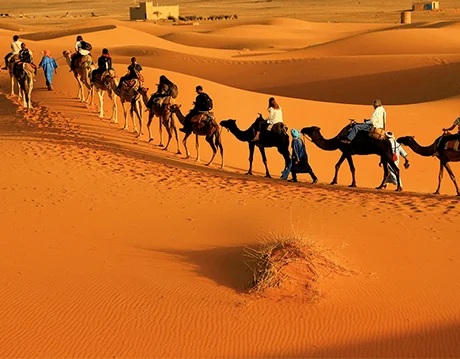
- Sahara Desert: Embark on an unforgettable camel trek into the vastness of the Sahara, culminating in magical nights under a blanket of stars.
- Essaouira: Experience the laid-back charm of this coastal city, known for its historic ramparts, vibrant art scene, and renowned music festivals.
Morocco truly is a land of contrasts and delights, promising an enriching and unforgettable journey for all who visit.
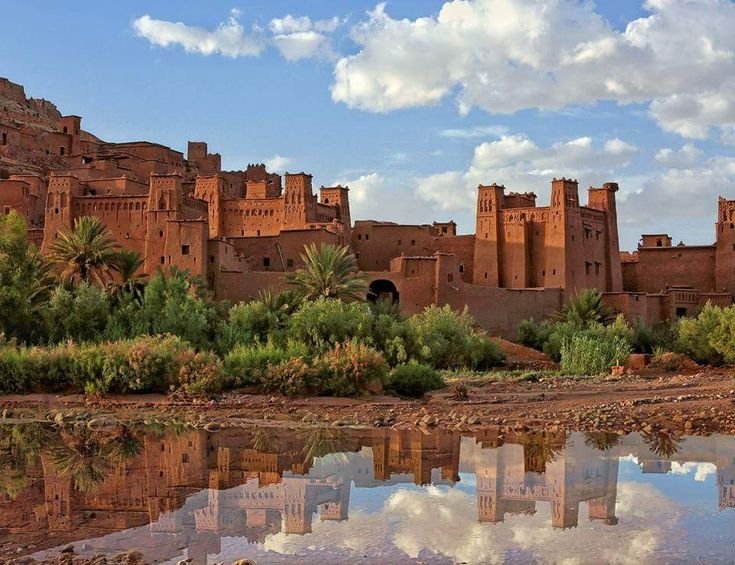
Discover Morocco: A Land of Rich History, Diverse Landscapes, and Vibrant Culture
Frequently Asked Questions About Morocco
Q: What makes Morocco a popular travel destination?
A: Morocco is a captivating North African country known for its rich tapestry of ancient history, breathtaking natural beauty (from the Atlas Mountains to the Sahara Desert), and a vibrant culture that offers an unforgettable experience.
Q: Where is Morocco located geographically?
A: Morocco is nestled in Northwest Africa. It is bordered by the Atlantic Ocean to the west, the Mediterranean Sea to the north, Algeria to the east, and the Western Sahara to the south.
Q: What are the main geographical features of Morocco?
A: Morocco boasts diverse landscapes, including the formidable Atlas Mountains, which traverse the country and offer stunning vistas, and the mystical Sahara Desert, which dominates a significant portion of its terrain.
Q: What are some of Morocco’s major cities?
A: Major urban centers include Rabat (the nation’s capital), Casablanca (the bustling economic hub), Marrakech (the vibrant “Red City”), Fes (the ancient spiritual heart), and Tangier (the cosmopolitan port city).
Q: What is the historical background of Morocco?
A: Morocco has a rich and intricate history rooted in Berber, Arab, and Islamic heritage. It was home to powerful dynasties like the Almoravid, Almohad, and Marinid. After periods of French and Spanish protectorates, Morocco gained independence in 1956 and is now a constitutional monarchy led by King Mohammed VI.
Q: What languages are spoken in Morocco?
A: The official languages are Arabic and Amazigh (Berber). French is also widely spoken and is significant in business, education, and government due to its colonial past.
Q: How would you describe Moroccan culture?
A: Moroccan culture is a vibrant mosaic known for its enchanting music, intricate handicrafts, world-renowned cuisine, and, most notably, its warm and welcoming hospitality.
Q: What are some must-try Moroccan dishes?
A: You should definitely try Couscous (a staple with meat and vegetables), Tagine (a slow-cooked stew with aromatic spices), Pastilla (a unique sweet and savory pie), and the ubiquitous Mint Tea (a cultural ritual).
Q: What are the top tourist attractions in Morocco?
A: Key highlights include:
- Marrakech: Known for its bustling souks and the lively Jemaa el-Fnaa square (a UNESCO World Heritage site).
- Chefchaouen: The “Blue City” with its captivating blue-painted streets.
- Fes: Home to the ancient medina of Fes el-Bali, a spiritual and cultural heart of Morocco.
- Sahara Desert: Offers unforgettable camel treks and magical nights under the stars.
- Essaouira: A charming coastal city famous for its historic ramparts and vibrant art scene.
Q: Is Morocco suitable for different types of travelers?
A: Yes, Morocco offers an abundance of attractions for every type of traveler, promising an enriching and unforgettable journey for all who visit.